🌿 The Myth of “Natural” Foods: What You Need to Know
Walk through any grocery store and you’ll see packages shouting “All Natural!” or “Made with Natural Ingredients!”. Sounds healthy, right? 🌱 Many shoppers assume “natural” means wholesome, minimally processed, or free from chemicals. But ask a few friends what they think “natural” means, and you’ll get wildly different answers.
So… what
does “natural” actually mean on a food label? Short answer: almost
nothing. And yes — consumers are being misled.

🏛️ What the
FDA Says (and Doesn’t Say)
The U.S.
Food and Drug Administration (FDA) still has no formal, legally
binding definition for “natural” on food labels. This has been true for
decades.
FDA’s informal policy says a food labeled
“natural” must:
- ❌ Contain no artificial or synthetic
ingredients
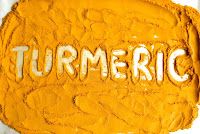
- ❌ Contain no added color, even
if the color comes from natural sources like turmeric
That’s it. No mention
of:
- GMO
ingredients
- Synthetic
pesticides
- Ultra‑processing
- High
fructose corn syrup
- Chemical
extraction methods
- Irradiation
or thermal processing
In other words, “natural” has nothing to do
with how the food was grown, processed, or manufactured.
FDA
has considered defining the term (over 7,600 public comments were submitted in
2016), but no rule has ever been finalized.
🛒 Why
“Natural” Misleads Shoppers
Because
the FDA hasn’t regulated the term, food companies can use “natural” as a
marketing tool, even on highly processed foods.
Example:
I once picked up a product labeled “All Natural Ingredients.” The
ingredient list included sucrose — refined white table sugar. Is that
“natural”? It’s heavily processed and stripped of many nutrients, yet it still
qualifies under FDA’s informal policy.
This
confusion isn’t just theoretical — it’s legal. Companies have faced class‑action
lawsuits
for using “natural” on products containing synthetic, GMO, or chemically
processed ingredients. ConAgra, for example,
paid $3 million to settle claims that Wesson Oil was falsely
advertised as “natural” despite containing genetically modified ingredients.
💵 How Much
Do Americans Spend on “Natural” Foods?
U.S. consumers
now spend over $110 billion per year on natural and organic foods — and
the category is growing faster than conventional groceries. (This figure comes
from industry snapshots and organic market reports.)
But
here’s the catch:
✔️ Organic is
regulated
The USDA
Organic seal guarantees:
- No
artificial colors, flavors, or preservatives
- No
synthetic pesticides
- No
antibiotics or growth hormones (for meat/dairy)
❌ Natural is not
regulated
Foods labeled “natural” may still contain:
- Synthetic
pesticides
- High
fructose corn syrup
- GMO
ingredients
- Highly
processed additives
So, while “organic” has a clear legal meaning, “natural”
is basically a marketing term.
👥 What
Consumers Think “Natural” Means
Surveys consistently show that shoppers
misunderstand the term:
- 81% buy natural foods
believing they will improve their health
- 65% try to prioritize
natural ingredients
- 52% are willing to pay 10–20%
more for natural or organic products
- Younger
shoppers are especially influenced:
- 55%
Gen Z
- 45%
Millennials
- 25%
Baby Boomers
Most consumers
believe “natural” means:
- No
pesticides
- No
antibiotics
- No
hormones
- No
artificial ingredients
- No
GMOs
But none of these assumptions are guaranteed.
⚖️ Why Companies Are
Dropping the “Natural” Label
Because
of lawsuits and consumer confusion, many major
brands have quietly removed “natural” claims from packaging. You’ll rarely
see “natural” or “all natural” on:
- Campbell’s
soups
- Frito‑Lay
chips
- PepsiCo
beverages
Companies
know the term can be legally risky and poorly defined — and
consumers are increasingly skeptical.
🍑 So… What
Is Natural?
It
depends on who you ask:
- An organic peach? Most people say yes.
- A canned peach in sugary syrup?
Opinions vary.
- A fruit snack made with high fructose corn
syrup?
- A cereal made with GMO corn?
- A beverage with “natural flavors”
created through chemical extraction?
There’s no
consistent standard, and the FDA hasn’t created one.
🧭 Bottom
Line for Shoppers
Next time
you’re in the grocery aisle, remember:
🌿
“Natural” is a marketing term — not a health guarantee.
🥕
“Organic” is regulated and meaningful.
🔍 Always
read the ingredient list — not just the front of the package.
If a product claims to be “natural,” ask yourself:
- What
does the company mean by natural?
- Is
the food highly processed?
- Are
there synthetic additives?
- Is
the claim trying to make the product seem healthier than it is?
When in
doubt, ignore the word “natural” — it’s often meaningless.
✨ Powered by KTK‑Nutrition — Evidence‑based
nutrition guidance for everyday wellness.

📚 Sources shoppers,
U.S.
Food and Drug Administration (FDA), mention,
FDA,
lawsuits,
example,
consumers,
USDA
Organic, contain,
shoppers,
consumers,
FDA
policy, consumers,
major
brands, ask


Comments
Post a Comment